
架构总览
Agentrail 采用分层结构组织。理解各层职责,有助于判断代码应放在哪里,以及如何在不与框架结构冲突的前提下扩展能力。
技术栈
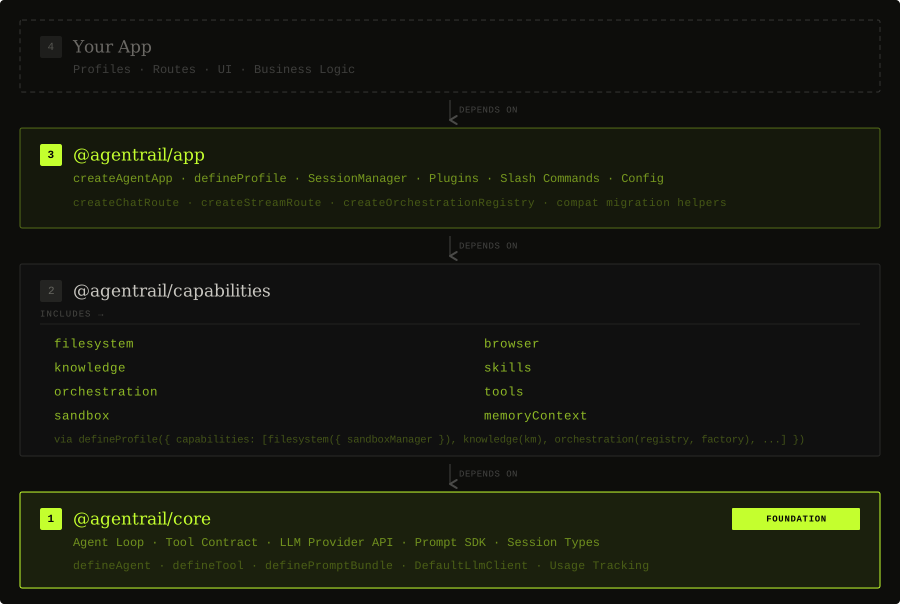
这个结构由两个维度决定:
- 纵向维度「依赖方向」:每一层只依赖下层,不反向依赖。关系为
core ← capabilities ← app。 - 横向维度「组合方式」:
@agentrail/app不只是更高一层,也负责把@agentrail/capabilities与@agentrail/core组合成完整的托管请求生命周期。
分层说明
1. @agentrail/core
这是执行层基础。定义 Agent、工具契约 defineTool、LLM Provider 抽象、Agent Loop、消息类型、Prompt SDK、Session 类型契约与用量统计。
这一层不关心 HTTP、Session 存储或 Host 生命周期。
2. @agentrail/capabilities
这是可复用能力层,用于扩展 Agent 的可操作范围。当前包含:
- 基于 Docker 的文件系统与浏览器工具
- 知识库索引与检索
- 技能发现与执行
- 多 Agent 编排
- 通用工具,如 Web 搜索、提问、待办写入
这些能力可以通过 defineProfile({ capabilities: [...] }) 注入到 Profile 中。
3. @agentrail/app
这是推荐的服务端接入层,负责:
- 通过
createAgentApp提供/chat与/stream - 通过
defineProfile定义 Profile - Session 管理
- 插件与 Slash Command 扩展模型
- 类型化配置加载
- SSE 事件契约
对于托管场景,通常从这一层开始。
4. 业务应用
这一层是业务代码本身,包括 Profile、路由、UI 与业务逻辑。它依赖框架,但不属于框架的一部分。
包一览
| 包 | 层级 | 用途 |
|---|---|---|
@agentrail/core | 1 | Agent Loop、工具契约、LLM Providers、Prompt、Session 类型 |
@agentrail/capabilities | 2 | Sandbox、知识库、技能、编排、内置工具 |
@agentrail/app | 3 | createAgentApp、defineProfile、Session、插件、配置 |
@agentrail/cli | 工具 | 本地诊断与配置检查 |
@agentrail/testing | 工具 | 运行时与托管层测试辅助 |
@agentrail/deep-research | 附加包 | 多 Agent 深度研究工作流 |
@agentrail/create-agentrail-app | 工具 | 项目脚手架 |
请求生命周期
当消息进入流式接口时,流程大致如下:
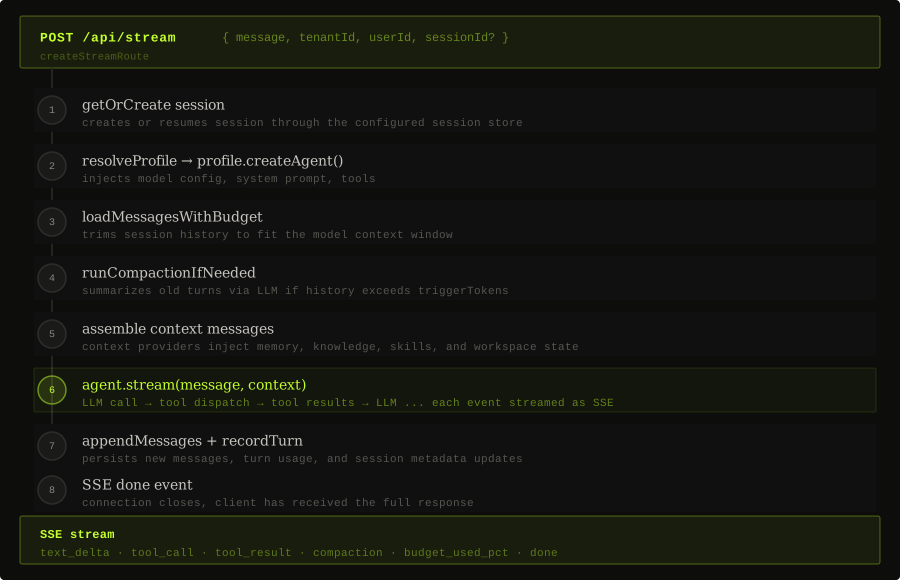
/chat 与 /stream 走的是同一套核心流程,区别在于前者返回聚合后的 JSON,后者按事件流式返回。
推荐入口与低层入口
Agentrail 明确区分「推荐入口」与「低层入口」。
推荐入口:
createAgentApp({ dataDir, profiles, ... })defineProfile(definition)
低层入口:
createChatRoute(...)createStreamRoute(...)createOrchestrationRegistry(...)
对于新项目,优先从 createAgentApp + defineProfile 开始。它们不是黑盒,而是一组已经组装好的推荐组合。随着应用复杂度上升,可以逐步拆开并替换其中的组件。
推荐阅读顺序
建议按以下顺序阅读: